
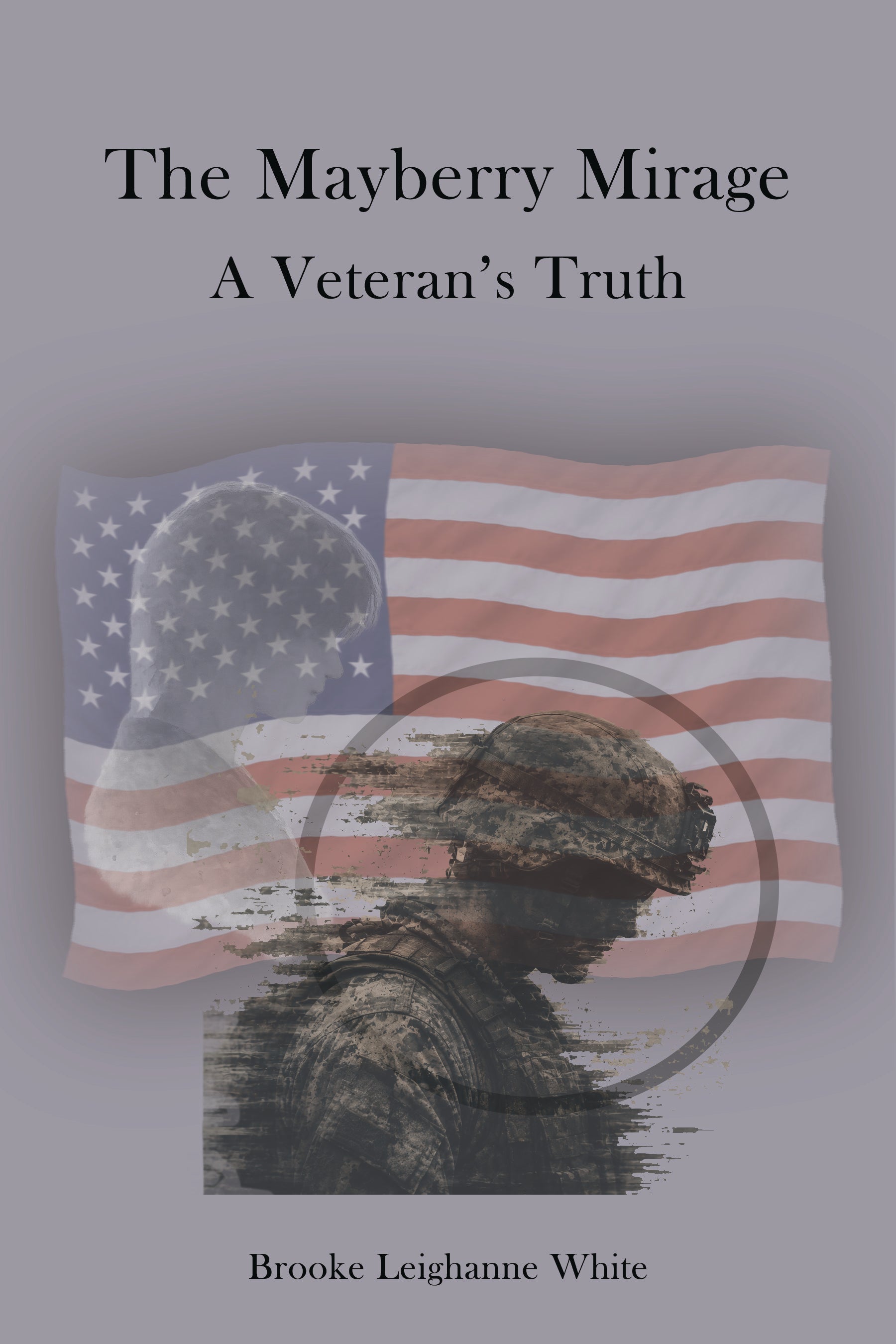
When my grandfather asked me to write a book about his experiences, I didn't want to do it.
That wasn't because I disliked writing. Quite the opposite. I've always enjoyed writing, and I knew I was capable of writing a book.
The problem was that I didn't want to spend my days listening to war stories.
At the time, I assumed that was what the project would become. A book about Vietnam. A book about battles, violence, and events that felt far removed from my own life and interests.
Before moving across the country, I sat down and organized my grandfather's stories into an outline. At the time, I thought the outline was for him. He wanted me to write the book. I figured I could at least help organize the material.
Then I moved on.
The outline existed, but the book didn't.
For reasons I couldn't fully explain, I had no desire to begin writing it.
Then one day I sat down and wrote a journal entry.
The piece had nothing to do with trying to start a book. I wasn't thinking about chapters, structure, or publishing. I was simply writing about my own life. What eventually became the introduction began as a reflection about a tattoo.
When I finished writing it, something unexpected happened.
The book suddenly had a place to begin.
The outline that had been sitting untouched no longer felt like a collection of war stories waiting to be documented. It felt connected to something larger.
From there, the rest of the book unfolded with surprising ease.
Looking back, I don't think the challenge was ever writing the book itself.
The challenge was finding the doorway into it.
That doorway wasn't military history.
It wasn't combat.
It wasn't the details of war.
It was family.
It was silence.
It was the realization that some of the most important stories are not found in the events themselves, but in the ripples they leave behind.
The Mayberry Mirage became an exploration of memory, patriotism, identity, family, and the ways one generation shapes the next. I found a way to tell a veteran's story without building the book around bloodshed. In doing so, the project became about much more than Vietnam.
There is a memory that occasionally returns to me from my teenage years. One afternoon, while I was sitting on the couch, my father told me to get up and do something productive. When I asked him what I should do, his response was simple:
"Write a book."
At the time, it felt like an offhand comment.
Years later, I find myself wondering if some stories are already waiting for us long before we recognize them as our own.
Thank you to all who have supported me in writing and publishing this book. Thank you to my Grandfather for trusting me with his life stories. Thank you to my Dad for planting that early seed that held the possibility of becoming an author.
You can find the book for sale here